
Many homeowners start a renovation thinking they have a solid budget, only to realize halfway through that the average cost to remodel a house is much higher than expected. In real remodeling projects, it’s common for budgets to increase due to overlooked labor, material upgrades, and hidden structural issues that don’t show up until demolition begins.
In this guide, you’ll learn what a remodel actually costs in today’s market, how pricing works per square foot, and how to build a realistic budget that holds up once construction begins. Whether you’re planning a small update or a full renovation, this breakdown will help you avoid the most common cost overruns and stay in control of your project.
Table of Contents
ToggleAverage Cost to Remodel a House (Per Square Foot)
Remodel costs vary more than most homeowners expect. Two homes with similar square footage can end up tens of thousands of dollars apart depending on layout changes, finish level, and labor demands.
In most projects, homeowners typically spend between $20 and $150+ per square foot. Lower-end costs usually apply to cosmetic updates, while higher-end renovations include structural work, custom finishes, and specialized labor.
The key takeaway is that square foot pricing is only a starting point. It becomes useful only after you define the full scope of work. Visit How to Plan a Remodel Without Blowing Your Budget to find out more.
Home Remodel Cost by Project Type (Basic, Mid-range, High End)
Most home remodels fall into one of three categories: basic, mid-range, or high-end. The category your project falls into depends on factors like material quality, project complexity, and overall scope.
Understanding where your remodel fits is an important first step, since it directly impacts your budget, timeline, and the level of work required. Below is a breakdown of each category to help you identify which one aligns with your project before moving forward.
Basic Renovation
A basic renovation focuses mostly on cosmetic upgrades without changing the structure of the home. A freshening up of the paint, updated trim and flooring, and modernized finishes are typically the extent of this type of renovation. This renovation option can be quick, and is a great option for homeowners who like to do it yourself (DIY).
Typical cost: $20 – $50 per square foot
Examples of work included:
- Interior painting
- New flooring or carpet
- Light fixture upgrades
- Cabinet refacing or painting
- Minor bathroom updates
- Appliance replacement
Mid-Range Remodel
A mid-range remodel includes larger upgrades than a basic remodel with some layout improvements. This option usually keeps major structural components in place. It’s still a good option for the DIYer, but get a professional involved for major plumbing and/or electrical work.
Typical cost: $50 – $100 per square foot
Examples of work included:
- Kitchen remodel with new cabinets and countertops
- Bathroom renovations
- Flooring replacement throughout the house
- Electrical and plumbing updates
- Some wall removals or layout changes
High-End Renovation
A high-end renovation builds on aspects of the previous two as well as includes major structural work, and using premium materials. This option is for homeowners who want to do a major overhaul on aspects of the home like the floor plan, and an upgrade to luxury finishes. While some of the work can be taken on by a DIYer, there are aspects that should only be handled by someone who has the level of skill and knowledge that is needed.
Typical cost: $100 – $250+ per square foot
Examples of work included:
- Custom cabinetry
- Structural wall changes
- Luxury kitchens and bathrooms
- Smart home systems
- High-end flooring and finishes
- Major plumbing and electrical upgrades
What Affects the Cost to Remodel a House?
When starting a remodeling project, it’s important to remember that nearly every decision you make will affect the overall cost. These may come from the materials you choose, the labor required to complete the work, or even the value of your own time if you plan on handling some of the work yourself. Keeping this in mind will help you make smarter decisions as you evaluate the different stages of your renovation.
Size of the Project
The size and scope of your renovation will have one of the biggest impacts on the total cost of a remodel. Before starting, you should have a clear idea of how much of your home will be updated. Planning your budget ahead of time helps determine whether the project is financially realistic or if it needs to be delayed while you save additional funds.
If the renovation is larger than your current budget allows, another option is to break the project into phases. Completing one section at a time allows you to move forward with improvements while saving for future upgrades. This approach can help you achieve the full vision for your remodel without putting unnecessary pressure on your finances.
Structural Changes
Structural changes are one of the fastest ways to increase your remodeling budget. They’re often underestimated before the project begins. In many cases, what seems like a simple wall removal can require engineering plans, permits, and additional structural support like beams or posts.
Common structural upgrades include removing walls for open layouts, modifying rooflines, building additions, or repairing foundation issues. These changes require specialized labor and careful planning, which is why they tend to be some of the most expensive parts of a remodel.
If you’re considering structural work, it’s important to evaluate early whether it fits your budget. Many homeowners scale back plans after realizing the true cost once quotes come in.
In one of my own remodels, I ran into this issue firsthand. I needed to move a wall perpendicular to its original position, but after taking a closer look, it became clear that the wall was load-bearing.
Before moving forward, I got a second opinion from someone I trust who has experience with structural work. We both agreed that installing a beam was the right solution to properly support the load.
This is a good example of how quickly a “simple” layout change can turn into a more complex and expensive upgrade.
If you’re not sure whether a wall is load-bearing, it’s worth speaking with a professional before making any changes. Structural mistakes can be costly. More importantly, it can be unsafe if handled incorrectly.
Material Quality
Material selection is where budgets can shift quickly. Many homeowners go into a remodel planning to choose mid-range finishes. Decisions to upgrade throughout the project often push costs higher than expected.
High-end materials typically last longer and improve resale value, but there are smart ways to get quality without overspending. The key is knowing where to invest and where to save. For example, durable flooring and cabinetry are usually worth the cost, while decorative elements can often be sourced at a discount without impacting performance.
The list below mentions a few ways to save money on materials without reducing its quality.
- Buy surplus or overstock
- Check reuse stores
- Shop clearance sections
- Buy in bulk when possible
- Hunt for seasonal sales
Finding deals on materials is only one aspect of saving money in a home remodel. When you purchase materials, it’s important to buy materials that fit into the overall design you are going for. Don’t purchase something just because it’s on sale but will clash. It’s not worth buying if it doesn’t fit into your design.
In many remodels, labor ends up being the largest portion of the total budget—sometimes more than homeowners initially expect. This is especially true for projects involving plumbing, electrical, or structural work, where skilled trades are required. Getting multiple quotes early can help you understand realistic pricing and avoid surprises later.
Labor Costs
Oftentimes the cost of labor will be one of the higher expenses for a home remodel. This is because when using skilled workers like electricians and plumbers you are paying for their experience. The result you get when using the ideal contractor is to have a finished home that looks professional and was completed in a timely manner.
The cost you pay depends on the work complexity, number of workers involved, and required time to complete the project. The demand for contractors in your area is another factor that may drive up the labor cost.
A good alternative is if you can DIY some or all of the work. This depends on your skill level, the variety of tools you own, and how much time you have to put into this project. You will be trading your time for the money you would have been spending on hired labor. It’s a good idea to consider a hybrid approach if you are new to this type of work.
Check out our complete guide on how to hire a remodeling contractor to learn how to find, interview, and choose the right professional. It explains how to find qualified contractors, ask the right interview questions, and choose the best professional for your home remodeling project.
In many remodels, labor ends up being the largest portion of the total budget. Sometimes it becomes more than homeowners initially expect. This is especially true for projects involving plumbing, electrical, or structural work, where skilled trades are required. Getting multiple quotes early can help you understand realistic pricing and avoid surprises later.
Typical Home Remodel Budget Breakdown
Planning your remodel budget means you need an understanding on how much to allocate in different areas of your remodel. This can be broken up into various categories. Each one has a typical percentage amount based on the overall budget you are working with. Use the percentages below to help understand how much you will be putting towards different portions of your remodel.
Design and Planning – 5% to 10%
Permits and Inspections – 1% to 3%
Demolition – 2% to 5%
Structural Work – 10% to 20%
Electrical – 5% to 10%
Plumbing – 5% to 10%
Cabinetry and Built-Ins – 10% to 20%
Flooring – 5% to 10%
Finishes and Fixtures – 10% to 20%
Labor – 20% to 35%
Remodeling Cost by Room (Kitchen, Bathroom, Living Room)
When you know what your remodeling cost by room is, you are able to understand the budget more effectively. Your remodeling budget for the different rooms of your home will vary based on the materials used, labor, and complexity of work.
When remodeling the kitchen or bathrooms, it’s safe to expect a higher budget is required. This is because there’s more complex work like electrical and plumbing which uses specialized materials and labor. On the flip side, to remodel living areas like bedrooms and living rooms you don’t have as many requirements, making them more affordable to work on. These rooms are also great choices for homeowners that want to do the work themselves. The most expensive part of remodeling living areas is if you are making major structural changes like opening load-bearing walls.
Kitchen Remodel Cost
Lorem ipsum dolor sit amet, consectetur adipiscing elit. Ut elit tellus, It’s safe to expect the kitchen remodel cost to be the highest of any room in the home. Some of the features like cabinets, appliances, and electrical upgrades add significantly to the required budget amount. The cost of the remodel increases when you include layout changes like open concept floor plans for rooms that didn’t have them previously. Read our full guide on planning a home remodel budget without overspending for a detailed breakdown of this topic. nec ullamcorper mattis, pulvinar dapibus leo.
Typical Kitchen Remodel Cost
Basic remodel – $15,000 – $25,000
Mid-range remodel – $25,000 – $50,000
High-end remodel – $50,000 – $75,000+
What Affects Kitchen Remodel Cost
- Cabinets
- Countertops
- Appliances
- Plumbing and electrical work
- Layout changes
Bathroom Remodel Cost
Bathroom remodel costs can vary widely depending on size, materials, and labor. A few of the reasons for this are dependent on the bathroom size and what types of finishes are chosen. It’s possible for a small bathroom to have a high price tag if it’s a labor intensive remodel. This is generally in the area of waterproofing and plumbing work. Learn more about this breakdown at the Bathroom Remodel Cost Guide.
Typical Bathroom Remodel Cost
Basic remodel – $8,000 – $15,000
Mid-range remodel – $15,000 – $30,000
High-end remodel – $30,000+
What Affects Bathroom Remodel Cost
- Tile and waterproofing
- Showers and tubs
- Vanities and fixtures
- Plumbing work
- Bathroom size
Living Room Remodel Cost
To figure out the living room remodel cost there are only a few areas to consider. Cosmetic upgrades like flooring, lighting, and paint are the basic requirements for this type of remodel. Even with additional upgrades, living room remodels are typically less expensive than kitchens and bathrooms.
Typical Living Room Remodel Cost
Basic remodel – $2,000 – $5,000
Mid-range remodel – $5,000 – $15,000
High-end remodel – $15,000+
What Affects Living Room Remodel Cost
- Flooring replacement
- Lighting upgrades
- Built-in shelving or cabinetry
- Wall removal or structural changes
Whole House Remodel Cost Per Square Foot
Knowing the whole house remodel cost per square foot is a useful tool to use when determining the budget. This way of estimating a large renovation project makes it easier for you to have an idea of what amount is needed in order to move forward. With all the rooms so different in their price range, it’s best to put them all into one average remodeling cost. If it’s in your budget, going with a whole house remodel can be a great way to upgrade your home.
Typical Whole Home Remodel Cost
Basic remodel – $50 – $100 per sq ft
Mid-range remodel – $100 – $200 per sq ft
High-end remodel – $200 – $400+ per sq ft
What Affects Whole Home Remodel Cost
- Scope of work
- Structural changes
- Electrical, plumbing, and HVAC upgrades
- Permits and inspections
- Home size and layout complexity
Hidden Remodeling Costs Homeowners Forget
Hidden costs are one of the main reasons remodels go over budget. These aren’t always truly “unexpected”. They’re often just overlooked during the planning phase. In real projects, things like permit fees, temporary housing, and structural repairs regularly catch homeowners off guard.
Permit Fees
A home remodel only requires permits for a few purposes. Some of the main areas that will require them are if you are doing certain electrical work, major plumbing changes, or work that changes the home’s structure. Find out if permits are required for your job by doing an internet search for a phrase like “building permit requirements [city]”.
The size of the remodel doesn’t matter when looking into permits. It’s dependent on what the scope of work is for the project. Small remodels may still be doing work that requires permits and inspections. If you don’t follow this process correctly, you may be paying fines, have delays in the job, or trouble with selling your home in the future.
Temporary Housing
It may be a smart idea to get temporary housing during your remodel. This is mainly when your work affects the kitchen, bathroom, or bedrooms. It’s possible to live through the remodel if housing can’t be included in your budget.
Some options for temporary housing may be staying in a hotel or motel, staying in a short-term rental, or eating out more frequently. Keep this in mind when building your budget because this can be expensive.
Storage Costs
Storage is another factor to consider. This one is mainly used if you are doing work on large areas of the home at one time and need a place to put your personal belongings. It’s helpful since you don’t need to worry about dust, debris, or damaging items like furniture or other possessions.
It’s best if your project isn’t expected to go on for a long time because storage can become expensive. Take a look at different storage company’s rates in your town before making a decision.
Structural Surprises
This topic can not be planned for, ahead of time. These surprises come up when demolition begins. Opening up walls, floors, and ceilings hold the possibility of there being damage to the home’s structure. Fixing these problems the right way is important, and should not be overlooked. To learn the right way to prepare for structural surprises, visit our guide on how to plan a home remodel without blowing your budget.
Why These Costs Matter
Hidden costs can surface in many different ways. If you have an idea of what to expect you are less likely for them to become more of a problem than needed. Unexpected costs have the capability of making your remodel go over budget. There’s a great way to prepare for hidden costs while keeping your remodel on the right track.
Set aside a contingency of 10-20% of your overall budget. This is a fund that won’t be touched unless an issue you could not have expected is needed to be dealt with. If you get through your remodel without having this type of issue, the contingency won’t be spent.
How to Create a Realistic Remodel Budget
Creating a realistic remodel budget isn’t just about picking a number to make into your budget, it’s about understanding where that money will actually go. The steps below walk you through how to build a budget that reflects real costs, not just rough estimates.
It’s good to take notes during this part of the process. I like to use a notepad so I can have all my notes in one place during my remodel. This helps with staying organized, and helps to answer questions when they come up.
Start With Your Total Budget Range
The first part of the process is to take a look at your financial situation to see how much money you are comfortable with spending on this project. If you work out your budget here and realize your two numbers are way off, one solution can be to postpone the remodel until you are financially ready.
This doesn’t mean there aren’t areas you can be working on. The planning phase is as important as the work being done. You can look for items you want to use, and get the tools that are required for any DIY work.
Remodel Budget Based on Home Value
These percentages are guidelines that give you an idea of what range the budget is in. It’s based on if your remodel will be in the basic, mid-range, or high-end categories.
Kitchen: 5-20%
Bathroom: 3-12%
Living Room: 1-8%
Bedroom: 1-7%
Whole House: 10-60%
Break the Remodel Budget Into Categories
It’s easier to see where your funds are going if they are broken into different categories. These are some of the more common aspects of a remodel. Since each one is unique, yours may be lacking some on this list, or include other categories that aren’t on this list.
Common budget categories include:
- Design and planning
- Permits and inspections
- Demolition
- Structural work
- Electrical and plumbing
- Materials used (cabinets, flooring, fixtures)
- Labor
- Finishes and final details
Research Real Costs for Your Project
Now that you have an idea of where your money will be going, take some time to research pricing in your area. Prices vary depending on location and material quality. If your remodel requires hiring a contractor, get at least three quotes before you make your decision. Visit our guide on how to hire a remodeling contractor to compare quotes and choose the right professional.
Prioritize Needs vs. Wants
Make a must-haves and nice-to-haves list. This will help you see what types of items you can’t live without, and which would be nice, but can be downgraded or removed if needed. This list may change after you begin researching materials. Must-haves are items that are needed for function, safety, or are valuable to you. Nice-to-haves are design upgrades that are not required.
To do this make two columns on a page. At the top write “must-haves” on one side and “nice-to-haves” on the other. Fill in the sides with items that fit into these categories. It may be easiest to put some of the must haves in first if you know what you want to have from this remodel.
Set Aside a Contingency Fund
The contingency fund should be 10-20% of the overall budget amount. This is an important part of the budget because hidden costs are capable of derailing a remodel. It’s easy to go over budget if you run into something major like dry rot or termite damage.
This can put you into debt, or stop the remodel before it’s finished. You are much less likely to have these outcomes happen if you take the time to set aside a contingency fund.
Plan for Overlooked Costs
Make sure your budget includes expenses that are often missed. Below is a list of some of the more common overlooked costs in a home remodel.
- Permit fees
- Temporary housing or dining costs
- Storage for furniture and belongings
- Utility upgrades
- Cleanup and disposal
Track Expenses as You Go
Keep your notebook handy as the remodel progresses. This will help you stay organized and be able to come up with solutions to problems. Keep a record of all expenses during the project. This will help you compare the amounts you are spending to the values you need to be at.
If you see certain expenses climb you may need to drop some of the items in the nice-to-have list. This can be a tool you use to stay on budget and keep the remodel moving forward. Organization is a great way to keep focused on the end result.
Build a Budget That Works for You
A realistic budget is one that’s made from informed decisions, proper planning, and knowing your scope of work. Knowing where your money is going means you will stay in control and complete your remodel on time. Reduce the stress level of the project through proper planning and decision making. This will help you plan for unexpected issues when they come up.
Frequently Asked Questions
How much does it cost to remodel a house?
The cost to remodel a house typically ranges from $20 to $150 per square foot, depending on the size of the project, materials used, and labor costs.
Is $100,000 enough to renovate a house?
Yes, $100,000 is enough for a mid-range remodel on a smaller home or a partial renovation on a larger home. The final amount will be determined based on your priorities and location.
What is the most expensive part of a home remodel?
Kitchens and bathrooms are usually the most expensive due to plumbing, electrical work, cabinetry, and appliances.
How do I estimate my remodeling budget?
Start by calculating cost per square foot, then break your budget into categories like labor, materials, and permits. Always include a 10–20% contingency fund.
Free Remodel Budget Planning Workbook
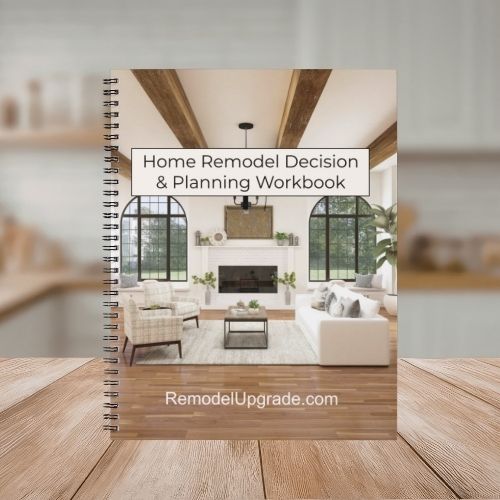
Planning a remodel can feel overwhelming, especially when you’re trying to organize costs, timelines, and decisions all at once. That’s exactly why I created a simple tool to help you stay on track.
The Remodel Budget Planning Workbook is designed to walk you through each step of your project so you can plan with clarity and avoid costly mistakes.
With this workbook, you’ll be able to:
- Define your full scope of work before construction begins
- Estimate realistic costs for each phase of your remodel
- Organize your project into clear, manageable steps
- Identify potential risks before they turn into expensive problems
- Stay on budget by tracking decisions and priorities
Instead of guessing your way through a remodel, this workbook gives you a clear roadmap from start to finish.
Download the Free Remodel Budget Planning Workbook and start planning your project with confidence.
Conclusion
A successful remodel comes down to being able to plan with realistic expectations. When you understand where your money is going, and what can drive costs higher, you’re far less likely to run into surprises that derail your project.
The homeowners who stay on budget aren’t the ones who spend the least, they’re the ones who do a great job planning for the remodel before it even begins. By defining your scope, researching real costs, and preparing for the unexpected, you put yourself in a position to complete your remodel with confidence.
If you want a simpler way to organize everything, use the workbook to map out your budget, priorities, and decisions before construction begins. It’s one of the easiest ways to stay in control from start to finish.
At Remodel Upgrade, the goal is to help you plan smarter, avoid costly mistakes, and build a home that truly fits your lifestyle. We are here to help you turn your home into your own private sanctuary!
If you have any questions or want help with your project, leave a comment below. I read every comment and do my best to help.
You’ve got this.
— Kevin

Kevin
I grew up in a family where my dad and several uncles were general contractors. They took me to the jobsites, and also taught me so much about home maintenance. I remember spending several summers in high school helping my father build houses. It gave me so much knowledge that I am excited to share!