Figuring out what a bathroom remodel really costs seems harder than it should be. Every quote you get from a contractor is made up of dozens of small decisions stacked on top of each other. Once you understand what’s actually driving that number, you can make smarter choices, avoid costly surprises, and feel confident going into the project instead of guessing your way through it.
A remodel without a clear budget almost always ends up costing more than planned, and that’s often what causes a project to stall out before it’s finished. This guide breaks down what a typical bathroom remodel costs, piece by piece, so you know what to set aside before the tools come out. You’ll see where the money usually goes, where homeowners tend to overspend, and how to plan for the hidden expenses that catch almost everyone off guard.
Take the stress out of your next bathroom remodel with The Bathroom Remodel Blueprint. This planning system walks you through every stage of your project. You will have a clear picture of everything from goals and budget, to contractor vetting, design, and timeline. That way you’re not guessing your way through the bathroom remodel.
Table of Contents
ToggleAverage Bathroom Remodel Cost by Project Type
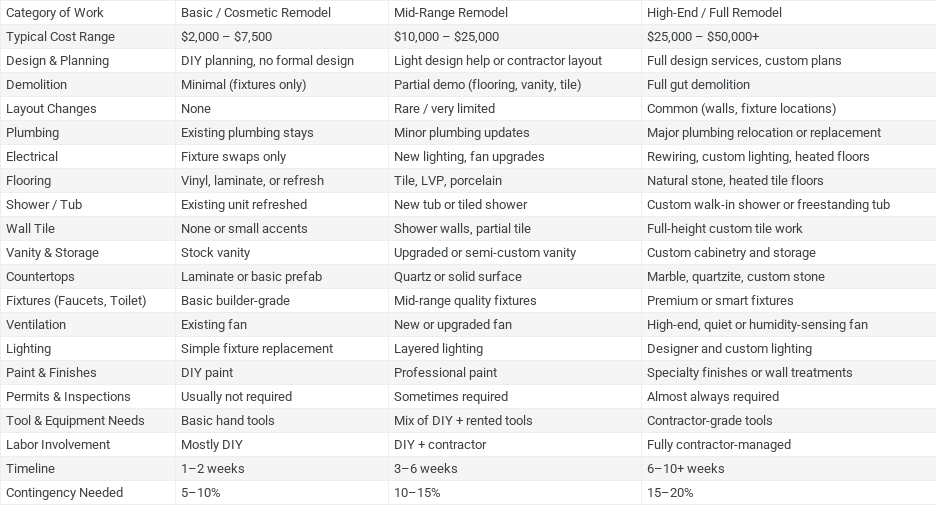
Most bathroom remodels fall into one of three tiers based on how much work is involved and what materials you choose.
The Cosmetic Bathroom Remodel
Typical cost: $2,000 to $8,000
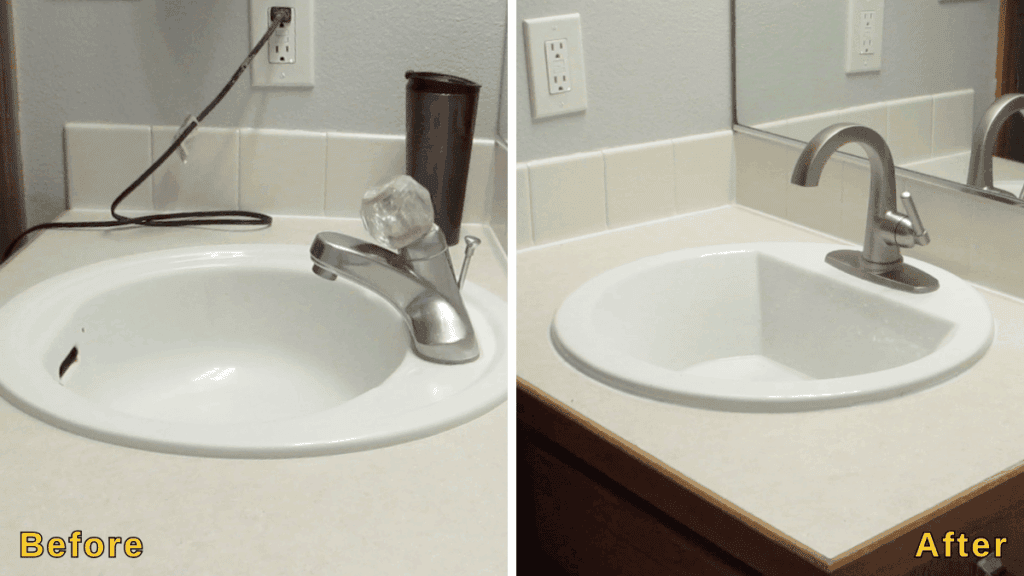
A cosmetic remodel is a surface level refresh. It includes new paint, updated fixtures, and minor repairs. It’s the simplest tier for a beginner who wants to DIY most or all of the work. This option can still make a dramatic difference in how the room looks and feels when it’s done.
The Mid-range Bathroom Remodel
Typical cost: $10,000 to $25,000
This tier covers functional upgrades like a new toilet, sink, flooring, and tile. It sometimes includes improved ventilation and minor plumbing or electrical work. If you’ve got solid DIY skills, you can handle some or all of it yourself.
Full Bathroom Renovation
Typical cost: $25,000 to $50,000+
A full renovation means a complete bathroom gut and rebuild. This includes new flooring, shower or tub, vanity, fixtures, and often layout changes along with plumbing and electrical relocation. This is the most labor intensive tier which uses the widest range of materials, being one of the top reasons for commanding a high price point.
Where you land within any of these ranges comes down to materials, fixtures, and labor. Labor is usually the biggest expense, so let’s start there.
Labor Costs are the Largest Portion of Your Budget
Labor is typically the largest chunk of a bathroom remodel budget, though it’s not unavoidable. Plenty of homeowners save money by putting in their own sweat equity where they can.
If you’re hiring a contractor for most of the work, expect labor to run 40 to 60 percent of your total project cost. To learn how to find someone good, check out How to Hire the Ideal Contractor.
Taking on labor yourself helps reduce this expense, but costs you time instead. This is a tradeoff to consider because a reliable contractor gets the job done faster. With this being their profession means they’ve done it countless times before. They know the shortcuts that produce a professional result in less time.
There is a tradeoff with saving money this way. You end up spending more time on the project than otherwise would have been needed. This can make your overall timeline be extended dramatically. If you are interested in finding a contractor to help you with the labor, check out Hiring The Ideal Contractor.
If your remodel requires extensive work in one or more of the following, I recommend using a contractor:
- Plumbing
- Electrical
- Tile work
- Framing and carpentry
Typical Percentage of Total Labor Cost
This chart shows the typical percentage breakdown of a bathroom remodel budget, helping homeowners understand where their money is most often spent.
Typical percentages of total project cost by category
| Category | Typical % of total cost | What it covers |
|---|---|---|
| Labor | 40–60% | Contractor, plumber, electrician, tile installer |
| Materials & fixtures | 30–45% | Tile, vanity, toilet, shower, lighting, hardware |
| Design & planning | 5–10% | Design services, drawings, consultations |
| Permits & inspections | 1–5% | Varies by location and scope |
| Contingency (unexpected) | 10–20% | Hidden damage, plumbing issues, material mistakes |
Pro Tip:
If you’re looking to cut back on expenses, the number one way is to aim for a DIY heavy remodel. This can drop the labor expense down to 20-35 percent. This is going to mean you will be the project manager, instead of a contractor. Use a planner like The Bathroom Remodel Blueprint to know what needs to be done, and when.
Bathroom Remodel Material Costs
The choice of materials make up the next largest share of your remodel cost. They come in multiple price points, with a variety of style options in each of these price points.
Tile and Flooring
There is a wide range of pricing when it comes to picking flooring and tile. This is because there are plenty of options, each bringing their own benefits and tradeoffs. Tile is offered in a range of sizes, colors, and material options, giving you flexibility but also more decisions to make.
Vinyl plank is one of the best options for durability when it comes to flooring. Another benefit you get is it is easy to install, making it a great option for a homeowner who wants to take on some of the work themselves.
Natural stone on the other hand is both expensive and is a more difficult to install choice. It’s a good idea to consider a professional to install because it takes a level of skill, as well as specialty tools. If you’re interested in doing it yourself, you can rent the tools at a local tool rental location.
Cabinetry
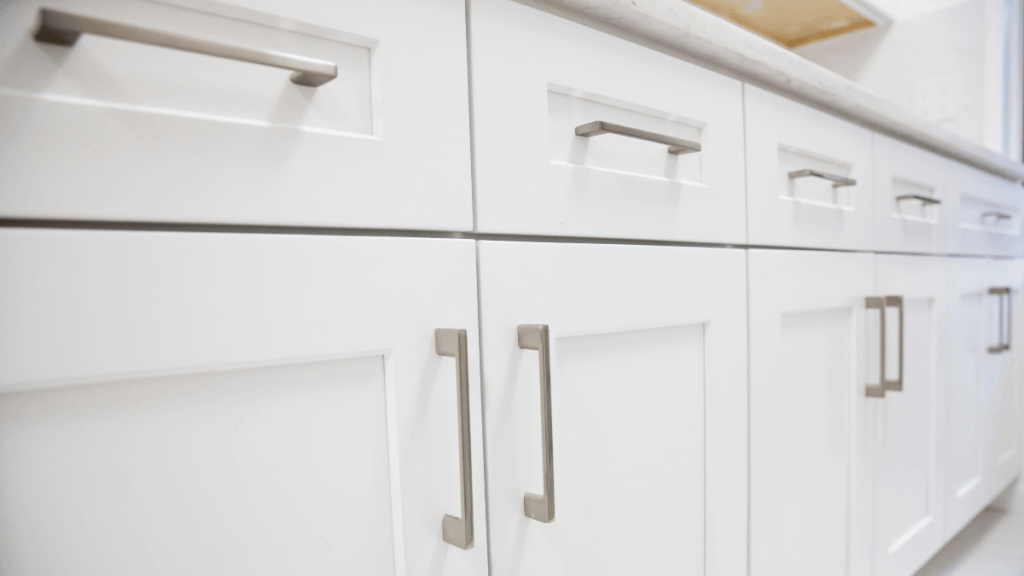
Cabinetry is one category that certainly has a lot of options to choose from. It seems like every cabinet shop has at least three different quality cabinets, each with their own price points. The lowest quality is particle board. Don’t get this wet as it will expand, and begin to fall apart. Next is medium density fiberboard (MDF) which is more durable, but will still expand when wet. And the highest quality is solid wood cabinets.
Fixtures
Any hardware like faucets, lighting, and showerheads fall under the category of fixtures. They’re usually the last thing installed, which makes them feel like the finish line of the whole project is near. Prices vary widely here because there are different materials and finishes to choose from. Pick one finish and stick with it throughout the bathroom if possible. Mixing finishes tends to make the space feel cluttered. Mid range fixtures are a smart way to save money while getting a look that’s nice.
Permits, Inspections, and Hidden Fees
Most people budget for materials, tools, and labor, then forget to check for required permits. Not every bathroom remodel needs a permit, but knowing ahead of time whether yours does is what keeps these costs from sneaking up on you.
Permits
Permits are not required for every remodel, but if yours involves major plumbing, electrical, or structural changes, it’s worth checking into. Upgrading a shower and changing the drain line is a common example of a required bathroom permit. I ran into this myself on a remodel, where the shower needed the vent to be moved, so I had an inspector verify it was done correctly. I didn’t glue up any of the joints until I got it signed off because if it was wrong he would have made me change it before it can be passed.
Inspections
When a part of a remodel needs a permit, that means it must be inspected before you can move on past it. If multiple inspections are needed, you may be able to coordinate them into a single visit. Just make sure everything’s actually finished before they arrive. If something doesn’t pass, you’ll need to make the required changes and schedule a follow up inspection to get it to pass. This adds both cost and time.
A few of the more common hidden fees to budget for:
- Inspection fees charged by the city
- Permit expediting fees for faster approval
- Disposal or landfill fees for debris removal
- Temporary utility shut off or reconnect fees
- Code upgrades
Tool and Equipment Costs for a Bathroom Remodel
Tool costs are easy to overlook, especially if you’re planning to handle part of the work yourself. Contractors typically build tool costs into their labor rate. A DIY or hybrid remodel requires buying or renting equipment on your own.
Basic Hand Tools you Likely Already Own
- Tape measure
- Level, hammer
- Pry bar
- Utility knife
- Screwdrivers
- Adjustable wrench
- Pliers
- Stud finder
- Caulking gun
- Putty knife
- Bucket
- Work light
- Extension cords
Power Tools Commonly Used
- Cordless drill or driver
- Impact driver
- Oscillating multi tool
- Circular saw or miter saw
- Reciprocating saw
Specialty Tools
- Tile saw or tile cutter
- Notched trowel and grout float
- Mixing paddle
- Pipe cutter and PEX crimping tool
- Basin wrench
- Wet or dry vacuum
Safety Equipment
- Safety glasses
- Gloves
- Dust mask or respirator
- Hearing protection
- Knee pads for tile work
- Work boots
Disposal
- Shop fan or dehumidifier
- Trash cans or debris bags
- Dumpster rental or hauling
Altogether, budget roughly $530 to $2,000+ for tools and equipment if you’re starting from scratch. Most homeowners already own a good chunk of the basic hand tools, and renting the power and specialty tools is usually the smarter call for a one time project.
Contractor vs DIY Cost Considerations
There are real tradeoffs on both sides. A good contractor works efficiently, shows up with the right tools, and delivers a professional result. That expertise typically adds 40 to 60 percent to your total budget in labor alone.
DIY makes the most sense if you have time to invest, aren’t racing a deadline, and have the tools (or access to them). It’s important to have an honest read on your skill level before attempting anything you haven’t done before. Some things can be learned along the way, but attention to detail matters more than confidence.
Renting specialty tools makes the most financial sense for a one time project, while buying quality tools can be a smart investment if you know you’ll tackle more renovations down the road.
Why You Need a Contingency Fund
It’s entirely possible to uncover something major mid remodel that you never budgeted for. Water damaged subfloor hiding under old laminate flooring is a classic example. That kind of discovery adds expense that was never part of the original plan.
Common unexpected issues:
- Water damage
- Mold
- Damaged subfloor
- Damaged studs
- Knob and tube wiring
A contingency fund gives you room to absorb these surprises without delaying the project or forcing you to cut must-have items to cover the gap. Add 10 to 20 percent to your total budget as a dedicated “Contingency Fund” line item. Only tap into it if something in this category actually comes up.
Sample Bathroom Remodel Budget Breakdown
Bathroom remodel cost breakdown — $25,000 budget
| Category | Estimated cost | % of budget | What it covers |
|---|---|---|---|
| Professional labor | $10,750 | 43% | Demolition, plumbing, electrical, tile installation, waterproofing, finish work |
| Vanity, sink & storage | $3,250 | 13% | Vanity cabinet, countertop, sink, hardware |
| Tile & flooring | $2,750 | 11% | Shower walls, floors, tile materials, grout, setting supplies |
| Plumbing fixtures | $2,000 | 8% | Faucet, shower trim, showerhead, toilet, tub (if applicable) |
| Lighting, mirrors & accessories | $1,000 | 4% | Light fixtures, exhaust fan, mirrors, towel bars, hardware |
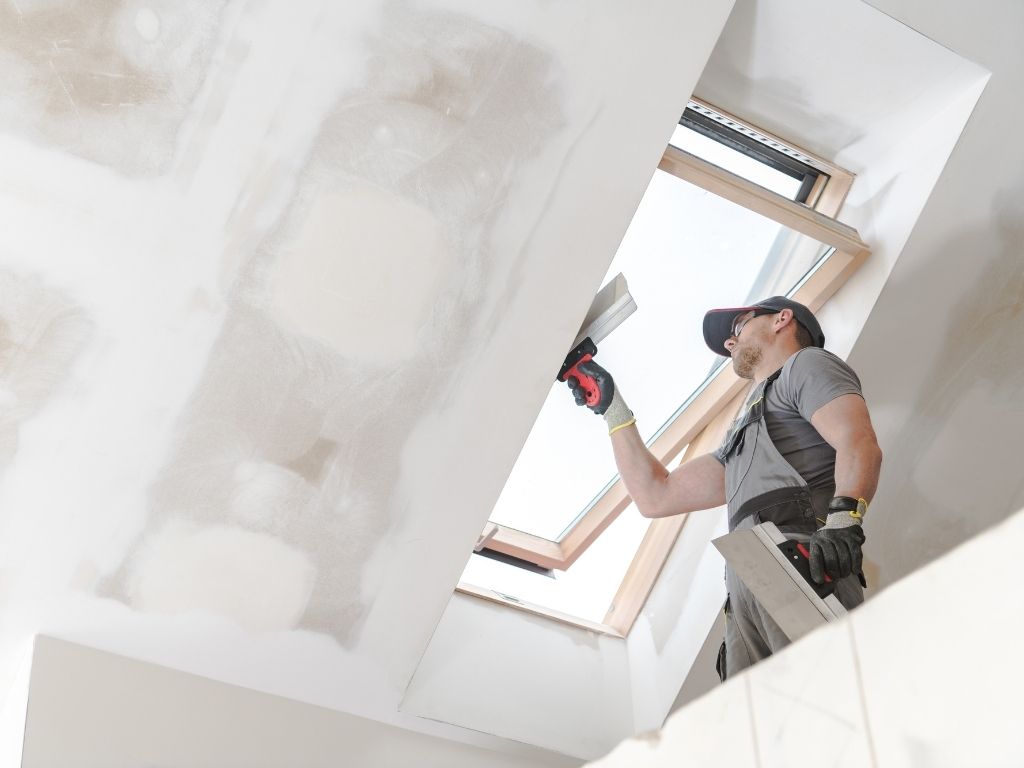
| Paint, drywall & trim | $1,000 | 4% | Moisture resistant drywall, patching, paint, trim |
| Permits & inspections | $500 | 2% | Local permits, required inspections |
| Contingency fund | $3,750 | 15% | Hidden damage, code updates, scope changes |
| Total | $25,000 | 100% |
Bathroom Remodel Cost by Size
Square footage has a big impact on your total, since it affects everything from tile quantity to labor time.
Small or powder room (under 20 sq ft): $3,000 to $12,000
Limited fixtures and a small footprint keep costs down even for a full refresh.
Standard guest bathroom (20 to 40 sq ft): $8,000 to $20,000
Enough room for a full tub or shower combo, vanity, and toilet.
Primary bathroom (40 to 100+ sq ft): $15,000 to $50,000+
More fixtures, more tile, and often a separate tub and shower, which drives up both material and labor costs.
Size isn’t the only factor. Layout changes, moved plumbing, and higher end finishes can push a small bathroom’s cost above a larger one that keeps everything in place.
Financing Your Bathroom Remodel
If you’re not paying entirely out of pocket, a few common options are worth understanding before you commit to one:
Home Equity Loan or HELOC
Use the equity in your home as collateral, usually at a lower interest rate than personal loans. Best for larger renovations where you already have equity built up.
Personal Loan
No collateral required and funding is typically faster, but interest rates run higher than home equity options.
Cash Out Refinance
Replaces your existing mortgage with a larger one and gives you the difference in cash. Worth comparing against current mortgage rates before choosing this route.
Credit Card
Workable for smaller cosmetic remodels, especially with a 0% introductory offer, but risky for larger projects if the balance isn’t paid off before the promotional period ends.
Contractor Financing
Some contractors offer in house financing or partner with a lender. Convenient, but compare the terms against your other options before signing.
Whatever route you choose, borrow based on your realistic budget, including your contingency fund, not just the initial quote.
Ways to Avoid Unnecessary Costs
Keep Plumbing Where It Is
Leaving the sink, toilet, and tub or shower in their current locations avoids a major layout change and the extra materials needed to patch floors, walls, and everything else that gets opened up in the process.
Order Materials Early
Downtime waiting on materials is lost money, especially if you’re paying tradespeople by the day. If you’re handling delivery yourself, plan ahead for how you’ll transport anything large or heavy.
Be Honest About What You Can DIY
Doing some or all the work yourself lowers your overall cost. Don’t take on more than you can realistically handle. Go through your project checklist, be honest about what you already know how to do, and look up how to videos for the rest. Check Remodel Upgrade for articles to walk you through these topics, and Remodel Upgrade’s YouTube channel for videos on the topic. They’ll show you what tools you’ll need and whether the technique is something you’re actually comfortable attempting.
Keep a running checklist for the full duration of your remodel, covering both the major stages and the smaller tasks. If you’re not sure what some of the smaller tasks are yet, just add them as you go.
Bathroom Remodel Budget Mistakes to Avoid
Underestimating Labor
Have the money ready before payments are due. Use the labor percentage chart above to estimate what you should set aside.
Skipping the Contingency Fund
This is what keeps you ready for whatever comes up. You may never touch it, but if you need it, you’ll be glad it’s there.
Overlooking Permits
Skipping this step can lead to bigger problems and more work than if you’d pulled the permit in the first place.
Buying Cheap Materials
Look for reliable brands with good reviews rather than the lowest price tag. Poor quality materials fail sooner and end up costing more in replacement work down the line.
Frequently Asked Questions
How much should I budget for a bathroom remodel?
It depends on the scope of work. A cosmetic remodel typically runs $2,000 to $8,000, a mid range remodel runs $10,000 to $25,000, and a full renovation runs $25,000 to $50,000+.
What is the most expensive category in a bathroom remodel?
Labor is typically the largest share of the budget, running 40 to 60 percent of your total. This is compared to 30 to 45 percent for materials. That gap can narrow, or even flip, if you choose high end finishes or handle the labor yourself.
Can I remodel a bathroom on a tight budget?
Yes. A cosmetic remodel (paint refresh, new fixtures, updated lighting) is the most affordable option. Cost scales up from there based on how much you add to the scope.
What bathroom remodel costs surprise homeowners the most?
Hidden damage is the most common surprise in a bathroom remodel. This is the kind of thing you can’t know about until walls or flooring are opened up. Without a contingency fund in place, discovering significant hidden damage can bring a remodel to a stop before it’s finished.
Does a bathroom remodel add value to my home?
Generally, yes. Bathroom remodels are consistently one of the higher return renovations. The exact return amount depends on your local market, the scope of the remodel, and how it compares to similar homes nearby. A mid range remodel tends to recoup more of its cost than a full high end renovation.
How much does it cost to remodel a small bathroom?
A small bathroom or powder room under 20 square feet typically runs $3,000 to $12,000. This is even for a full refresh since the limited footprint keeps both material and labor costs down.
Is labor or materials more expensive?
Both are similar in percentage amount of your budget. Labor is generally a bit more expensive than materials. But this can flip if you go with high end material options. You won’t be paying as much in labor costs if you do some of the work yourself.
Can I remodel a bathroom on a tight budget?
A basic level bathroom remodel can be done on a tight budget. For a beginner this would look like a paint refresh, new fixtures, and new lighting. The more items you add to the list means the budget and work will increase as well.
Conclusion
The total number on a bathroom remodel quote only tells you so much. What actually determines whether your project stays on budget is understanding where your money is going: labor, materials, permits, and the contingency fund.
Budget clarity reduces stress. Planning gives you control over cost instead of the other way around. And once you understand the full breakdown, you’re not just working from a total, you’re working from a plan you can actually manage.
If you want a single tool to help you as you go, The Bathroom Remodel Blueprint includes a full budget planner built for exactly this.
Thanks for reading. If you have questions or comments, drop them below. I read every one and reply as they come in. Who knows, your question might be the subject of the next article.