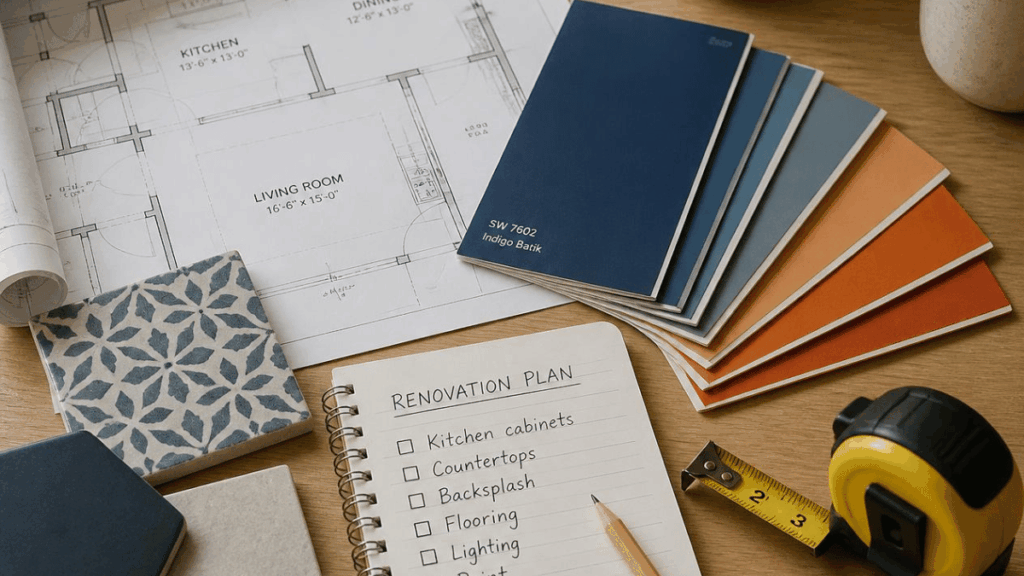
Remodeling your home is exciting, but the costs can add up fast if you’re not prepared. That’s why it’s so important to use a home remodel cost estimator before you begin. Without a clear budget, expenses can quickly spiral out of control and leave you overwhelmed. In this guide, you’ll find practical tools and tips to estimate your renovation costs with confidence. That way you know what to expect before spending a single dollar.
Going through a remodel can seem like a daunting task. There are good chances that some part of the remodel can be overwhelming because there are aspects that you may not fully understand. It’s a good idea to talk to a professional to make sure you are not making any major mistakes. Getting a contractor involved can be a challenge thing to do. Take a look at the article called Follow This Guide When Hiring A Contractor. This will give you a complete method to find, interview, and hire the ideal contractor.
Table of Contents
ToggleWhat Affects the Cost of a Remodel?
There are many factors that affect a home remodel budget. It’s important to decide what the most important aspects are before moving on. This will dictate the amount of money you need. Below is a home repair cost list. These are the areas your budget will be going. Not every kitchen remodel will have all of these expenses.
The first question you want to ask is what area(s) in your home do you wish to remodel. Are we talking about a whole house upgrade to bring your home into the modern era? Next you want to figure out if you actually have the means that will allow this project to be seen to completion. Do you have enough of a budget that will allow for you to complete this project with all the details you want to include?
Are you considering dividing the work into smaller projects that can get completed before saving up for the next budget nest egg? Perhaps you are thinking about upgrading the kitchen before the bathrooms.
Every choice comes with its own specifics that dictate what your project budget must be. Once you know what part of the house will be focused on, the next question is to decide to what level you will be tackling. The best way to answer this is to think about why you are remodeling.
Are you raising the home resale value before you sell in the future? Or do you want to make a customized sanctuary for you and your family to enjoy? Whatever the reason is will help you know what types of materials and finishes you will be using.
Construction & Labor
- Demolition costs
- Structural changes
- Specialty labor rates
Cabinetry & Storage
- Custom cabinets
- High-end finishes
- Pull-outs, organizers, soft-close drawers
- Additional cabinetry
Appliances & Fixtures
- Appliance choice
- Built-in or paneled appliances
- Luxury fixtures
- Smart home integrations
Logistics & Hidden Costs
- Delivery fees
- Disposal fees
- Temporary kitchen setup
- Timeline delays
Layout & Design Changes
- Moving plumbing
- Rewiring electrical
- Adding or moving HVAC
- Custom design services
Materials & Finishes
- Countertop material
- Flooring upgrades
- Backsplash complexity
- Paint & finishes
Permits & Compliance
- Building permits
- Inspection fees
- Code upgrades
Home Remodeling Budget Rule of Thumb
When going into a project as complex as this one, there are some basic rules to go by. These percentages may not be exact with your home remodel, but it’s safe to take these into consideration as you plan your budget:
- Cabinets: 25–35% of budget
- Labor: 30–40% of budget
- Countertops & surfaces: 15%
- Appliances & fixtures: 15–20%
- Hidden costs: 10%+
Kitchen Remodel
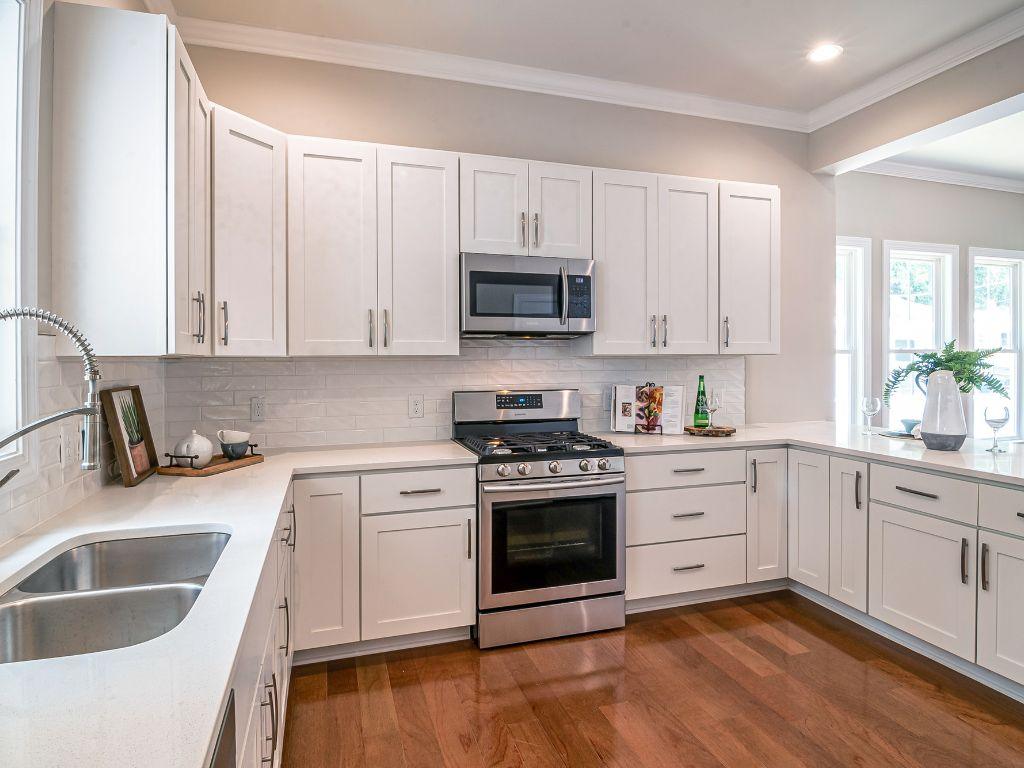
There are many options when it comes to remodeling a kitchen. The truth is this type of remodel also includes many expenses. The first thing you will need to know is what square footage of your kitchen . This will help you better understand the total project cost.
Kitchen Remodel Budget Calculator
Budget = (Base Rate × Kitchen Sq Ft × Layout Factor × Finish Factor × Complexity Factor) + Fixed Costs + Appliance Package x (1+Contingency Percentage)
Base Rate
This amount accounts for the cost of labor and materials. These are two factors that will be included in every remodel. Your base rate can vary depending on whether you are hiring a contractor or not.
Low Budget: $250/sq ft
Mid Budget: $400/sq ft
High Budget: $700+/sq ft
Layout Factor
No layout change: 1.00
Minor moves: 1.20
Major reconfiguration: 1.50
Finish Factor
Basic finishes: 1.00
Upgraded Option: 1.30
Luxury Option: 1.80
Complexity Factor
No Added Complexity: 1.00
Added Remodeling Complexity: 1.10
Fixed Costs
Costs like design fees, permits, engineering, dumpster, temp kitchen, delivery; amounts may vary. $3,000–$10,000
Appliance Package
Mid Budget: $4,000–$9,000
High Budget: $10,000–$25,000+
Contingency
For newer homes (built within the last 20 years) a 10% contingency is usually sufficient, while older homes (20+ years old, especially 50+ years) should budget closer to 15–20% contingency to cover hidden issues.
To use this equation, start by measuring your kitchen’s square footage and choosing a Base Rate per square foot that matches your project scope (cosmetic, mid-range, or high-end). Then apply the Layout, Finish, and Complexity Factorsto reflect any changes in floor plan, level of materials, or tricky construction conditions. Next, add in Fixed Costs (like permits or design fees) and your Appliance Package. If you’re hiring a contractor, include their markup percentage. Finally, apply a contingency (10% for newer homes, 15–20% for older homes) to protect against unexpected surprises. This step-by-step approach gives you a realistic estimate that’s customized to your kitchen and project goals.
Low Budget Kitchen Remodel
A low impact kitchen remodel is one where you are looking for a “kitchen facelift” but don’t have a huge budget to throw at it. You want to feel more comfortable with your kitchen for the next few years. These projects are perfect for the DIY type of homeowner as they are not as specialized as what comes with the next two categories.
Budget Range: $10,000-$25,000
Layout: Keep existing layout
Cabinets: Reface the surfaces with paint or veneer
Countertops: Low budget options like formica
Backsplash: Peel and stick
Walls: New coat of paint
Fixtures and Lighting: affordable options
Appliances: Keep existing appliances
Timeframe: 1-3 weeks
Refacing the cabinets is when you leave the existing cabinets, but either paint or apply a layer of veneer on them. Updating the fixtures and lighting can be done by someone with a toolbox and some will power. A fresh coat of paint on the walls will liven up the space tremendously. Give your kitchen the appearance of a brand new kitchen while keeping most of the existing features and layout.
Medium Budget Kitchen Remodel
A medium impact kitchen remodel may require the help of a contractor. There will be parts that can be done by the homeowner who has a good sense of DIY. There are some aspects like hanging new cabinet doors and installing granite countertops that require the skills of a professional. You will be able to save some money by doing most of the work yourself, but if you want the remodel to go quicker it’s best to consider having a contractor do all the work.
Budget Range: $25,000-$50,000
Layout: Minor changes to layout
Cabinets: New doors for cabinets
Countertops: Quartz or granite countertops
Backsplash: Tile backsplash
Walls: New coat of paint
Lighting: Add recessed and pendant lighting
Appliances: Upgrade to new appliances
Timeframe: 4-8 weeks
Hire a professional to help you with a remodel of this magnitude. If you are looking to save some money by doing some work yourself you will want to communicate this with them. The biggest issue of this type of agreement is the contractor has a schedule to work on, and if you take longer than realized it can set them back on schedule.
High Budget Kitchen Remodel
A high impact kitchen remodel should be done by a professional. This is one that has a lot of custom work that requires someone who has done it many times before. Remember to ask for examples of their previous jobs when interviewing candidates. Also ask for references to call.
Budget Range: $50,000+
Layout: Custom features added to layout
Cabinets: New cabinets for entire kitchen
Countertops: Premium natural stone or engineered countertops
Backsplash: Tile backsplash
Walls: New coat of paint
Lighting: Layered lighting system
Appliances: New built in appliances
Timeframe: 10-20+ weeks
Make sure you find a contractor who is reliable and focused on detail. The interview process is a great time to get to know the contractors you are interviewing. If you would like to know more about the process of finding, interviewing, and hiring a contractor, check out the article at RemodelUpgrade.com/hiring-contractor.

- Find out what needs to be done before hiring
- Learn where to go to look for the right people
- Get to know what goes into the interviewing
- What takes place before signing the contract
- Keep up-to-date while the project is happening
Bathroom Remodel
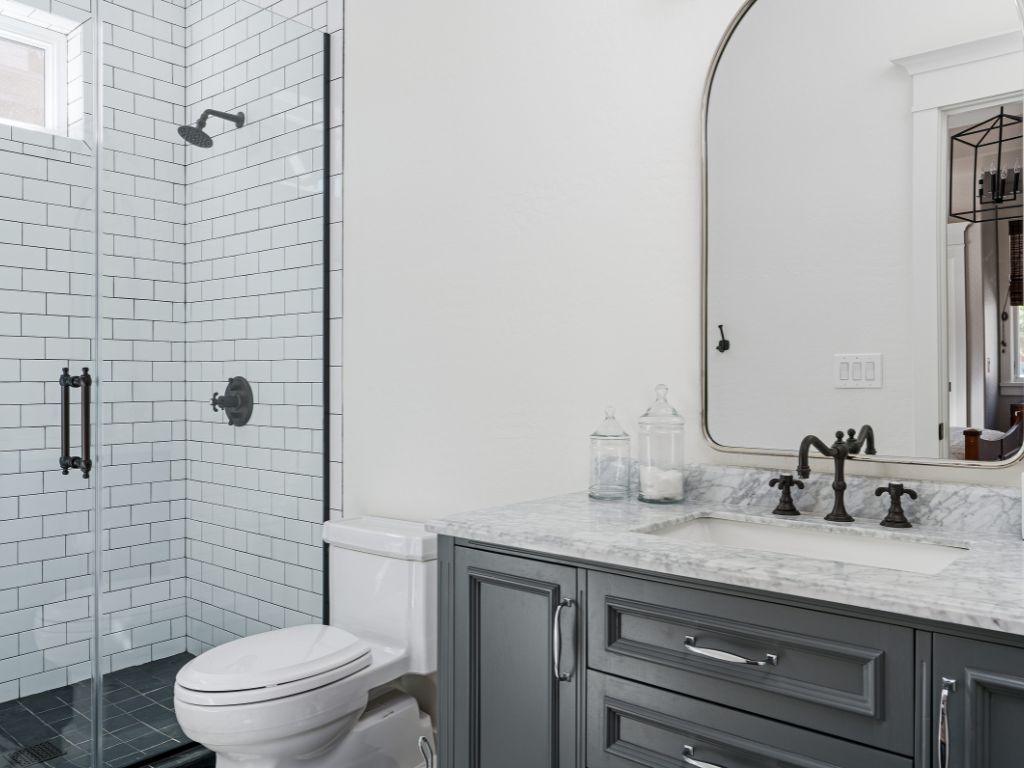
The bathroom is the most highly used room in the house. For that reason alone we want it to be as comfortable and enjoyable as possible. An upgraded bathroom also has the benefit of boosting the home’s overall resale value.
The bathroom remodel budget calculator takes into account all aspects of the bathroom remodel. The equation may seem daunting at first. It’s an important tool to be able to better understand what amount of a budget you should plan on setting aside for your bathroom remodel.
Below the equation are breakdowns of each factor that goes into it. Just determine what the correct value of the factor is for your project and plug it in. Below these is the method of working through this equation.
Bathroom Remodel Budget Calculator
Budget = (Base Rate x Bathroom Sq Ft x Layout Factor × FinishFactor × Complexity Factor) + Fixed Costs + Fixture Package (Base Rate × Bathroom Sq Ft × Layout Factor × Finish Factor × Complexity Factor) + Fixed Costs + Fixture Package (Base Rate × Bathroom Sq Ft × Layout Factor × Finish Factor × Complexity Factor) + Fixed Costs + Fixture Package × (1 + Contractor Markup %) × (1 + Contingency %)
Base Rate
This amount accounts for the cost of labor and materials. These are two factors that will be included in every remodel. Your base rate can vary depending on whether you are hiring a contractor or not.
Low Budget: $400/ Sq Ft
Mid Budget: $600/ Sq Ft
High Budget: $900+/ Sq Ft
Layout Factor
The main factor in any changes in layout is moving any plumbing. This factor reflects the amount of work required in moving water lines, drains, etc. This type of work should be done by someone who knows what they are doing.
No plumbing moves: 1.00
Minor plumbing changes: 1.20
Major plumbing changes: 1.50
Finish Factor
Bathroom finishes refers to items like faucets, fixtures, and towel bars. These are what gets installed last, and often times noticed first when someone walks into the bathroom.
Basic level: 1.00
Mid-range finishes: 1.30
Luxury finishes: 1.80
Complexity Factor
Standard: 1.00
Challenging layout: 1.25
Fixed Cost
Permits, waterproofing, ventilation upgrades, demo/disposal, design fees: $3,000–$8,000
Fixture Package
Toilet, vanity, sink(s), shower/tub, faucets:
Basic: $5,000
Mid-range: $12,000
Luxury/spa: $30,000+
Contractor Markup Percentage
Typically 10–25%, depending on region and scope of work.
Contingency Percentage
10% for newer homes, 15–20% for older homes, especially 20+ years, since hidden water damage or mold is more likely present.
To estimate your bathroom remodel costs, start by measuring the square footage of your bathroom. Choose a Base Rate per square foot that matches your project scope. This can be a low budget refresh, a mid-range update, or a high end remodel.
Next, apply the Layout Factor to reflect any plumbing changes, the Finish Factor for the quality of your materials, and the Complexity Factor if your bathroom has challenges like small spaces or custom tile work.
Add in your Fixed Costs, such as permits, waterproofing, and ventilation upgrades. Then include your Fixture Package, which covers essentials like the toilet, vanity, shower, or tub.
If you’re hiring a contractor, apply their markup percentage to account for labor management and overhead.
Finally, multiply the total by your contingency percentage (10% for newer homes, or 15–20% for older homes) to create a realistic safety buffer for unexpected issues like hidden leaks or mold. This budget calculator can also be helpful to see if there are any areas you can cut costs.
Low Budget Bathroom Remodel
A low budget bathroom remodel will show great results in upgrading the space with minimal work. It usually focuses on surface updates like a new vanity, faucet, toilet, paint, lighting, and possibly a prefabricated tub/shower insert. It can be done by a DIY minded homeowner with a good assortment of tools in their box. There are few to no areas that will require a specialist to come in and do the work.
Budget Range: $5,000-$10,000
Layout: No layout changes
Cabinets/Vanity: Paint existing vanity or replace doors/hardware only
Countertops: Budget quartz, cultured marble, or laminate upgrade
Backsplash/Wall Tile: Limited accent tile (e.g., above sink)
Walls: Fresh paint (moisture-resistant bathroom paint)
Lighting: Replace vanity light fixture, update to LED bulbs
Flooring: Vinyl plank or ceramic tile refresh
Fixtures: Replace faucets, showerhead, towel bars, and toilet
Shower/Tub: Keep existing tub/shower, re-caulk, or reglaze
Timeframe: 2–4 weeks
Medium Budget Bathroom Remodel
A medium impact bathroom remodel takes the remodel to the next level. You have a larger budget which will allow you to choose more expensive materials. It often includes replacing tile, upgrading to a solid-surface vanity with quartz or granite, installing a new tub or walk-in shower, updated fixtures, and better lighting or ventilation. Some of these, like quarts or stone countertops will require a specialist to install them. Most everything else can be done by you if it’s a project you are willing to take on.
Budget Range: $15,000-$30,000
Layout: Minor layout adjustments (shift toilet or vanity slightly, but not moving major plumbing lines)
Cabinets/Vanity: New semi-custom vanity with updated doors/drawers
Countertops: Quartz or granite countertops
Backsplash/Wall Tile: Tile backsplash or full shower surround
Walls: New paint, possibly add wainscoting or accent wall
Lighting: Add recessed and/or stylish vanity lighting
Flooring: Porcelain tile or luxury vinyl tile upgrade
Fixtures: Upgrade sink faucet, rain shower head, and toilet (water-efficient models)
Shower/Tub: Replace tub with alcove tub or upgrade to framed glass shower doors
Special Features: Heated towel bar or basic smart mirror
Timeframe: 4–8 weeks
High Budget Bathroom Remodel
A high impact bathroom remodel is a predominately custom remodeling job. It typically involves custom tile work, high-end vanities, frameless glass showers or freestanding tubs, luxury fixtures, heated floors, and premium finishes for a spa-like feel. Getting a contractor involved from the beginning will help in many ways. You may be able to do some of the work yourself, but communicate with the contractor about what their plans are so you can work in unison with them.
Budget Range: $30,000-$60,000
Layout: Major layout changes, moving plumbing lines and/or expanding bathroom footprint
Cabinets/Vanity: Custom-built vanity with double sinks and premium storage solutions
Countertops: High-end quartz, marble, or waterfall edge stone countertops
Backsplash/Wall Tile: Full floor-to-ceiling tile in shower and accent walls
Walls: Premium paint, Venetian plaster, or stone veneer accent
Lighting: Layered lighting – recessed, sconces, under-cabinet, LED mirrors, and dimmable options
Flooring: Heated porcelain, marble, or natural stone flooring
Fixtures: Designer faucets, thermostatic shower system, bidet toilet, freestanding soaking tub
Shower/Tub: Walk-in curbless shower with frameless glass, steam shower, body jets, or spa tub
Special Features: In-floor heating, built-in sound system, smart shower/lighting controls
Timeframe: 8–12+ weeks
Conclusion
Planning a remodel requires a budget you can work with. This may feel overwhelming at first, but breaking it down into clear steps makes the process manageable.
Whether you’re updating a kitchen or bathroom, using these formulas based on square footage, scope, and finish level to get a realistic starting point. Adding in contractor costs, fixed expenses, and a contingency gets you prepared for both the expected and unexpected.
Setting priorities, track spending, and stick to your plan. This way you can bring your vision to life without overspending. A well prepared budget isn’t just about numbers. It’s the roadmap that keeps your remodel on track, helping you create a space you’ll love while protecting your finances in the process.
Thank you for visiting Remodel Upgrade. Here I am dedicated to helping you turn your home into your own sanctuary. Please drop a comment below if you have any questions about this article. I would like to know if there are any other areas of the house you would like a budget breakdown like this.
I’ll see you in the next article.
You Got This,
Kevin

Kevin
I grew up in a family where my dad and several uncles were general contractors. They took me to the jobsites, and also taught me so much about home maintenance. I remember spending several summers in high school helping my father build houses. It gave me so much knowledge that I am excited to share!