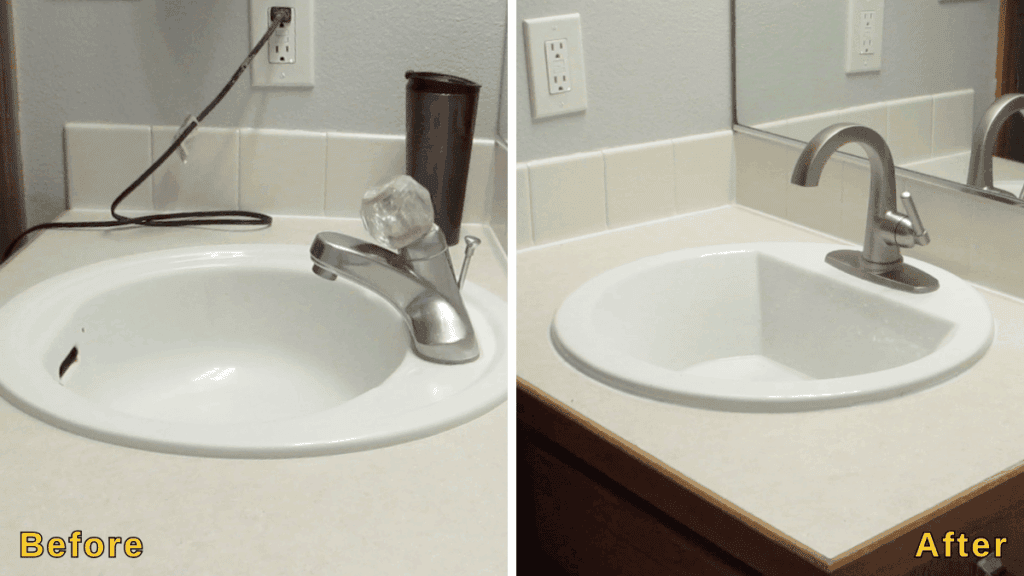
A bathroom remodel can be a great way for a beginner to learn new skills, but the right tools make all the difference. Check out this bathroom remodel tool checklist before buying every tool in the hardware store. Many are commonly used around the house for other projects, so it’s worth adding them to your workbench over time.
There’s also an assortment of tools home remodelers use that aren’t on this bathroom specific list. I put together a separate article showing you the ones that matter most for a home remodeler. Check out Essential Tools Every DIY Remodeler Needs to learn more.
Table of Contents
ToggleSafety Tools Beginners Forget (But Shouldn’t)
Working safely matters more than anything else on this list. The good news is there are great options now for every type of safety equipment needed. This gear will carry over to whatever remodeling project you tackle next. That’s why it’s worth buying quality equipment that will last.
Work Gloves
When you’re shopping for work gloves, look for a snug fit that isn’t too tight. It’s good to get a pair with reinforced padding on the palms since that area takes the most wear and tear. There are great options that are either made of leather or a synthetic cloth. Both are durable, and have nice dexterity.
Safety Glasses
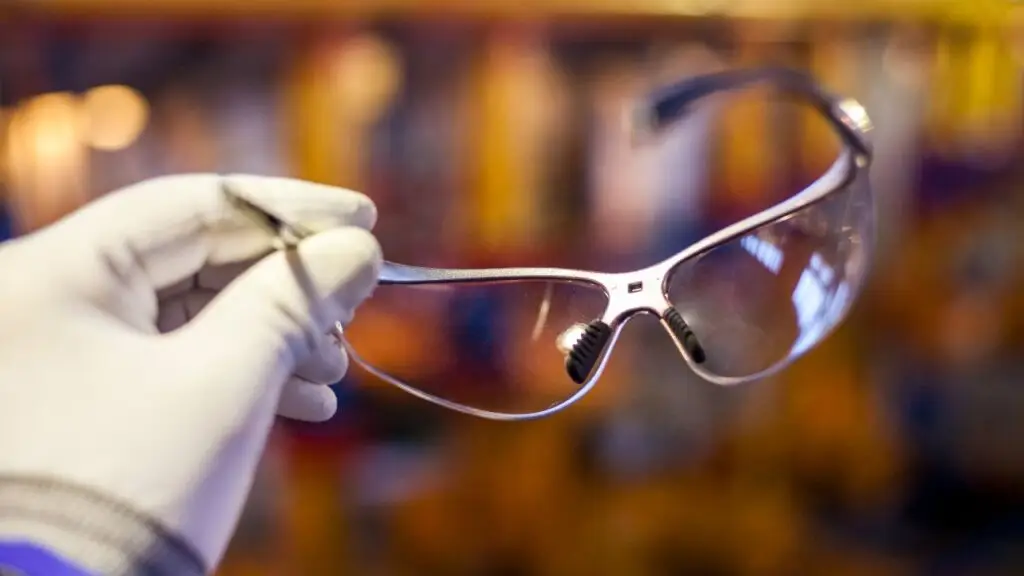
Safety glasses need to be shatterproof given the type of work they’re used for. You’ll want a pair that’s comfortable, since you’ll be wearing them for long stretches at a time. Clear lenses are a great option as they are good for seeing the details of your work.
Respirator/Dust Masks
A respirator will save your lungs from the dust that comes with demolition, cutting lumber, and working with other building materials. The downside to using a respirator is the cost that comes with it. Disposable dust masks are a great option instead. Buy yourself a pack of them because they aren’t meant to be used for this type of work for more than a day or two.
Knee Pads
These will end up being some of the most valuable safety gear you own, especially if you will be redoing the floors. A gardener’s style kneeling pad is another option, but can end up being more trouble than it’s worth. This is because it can be a hassle moving it into position every time you move. That’s why knee pads are a good idea to consider.
Ear Protection
Ear protection is needed when power tools are being used. The two main forms are ear plugs and over the ear earmuffs. There are some earmuffs that have bluetooth speakers in them. My favorite so far is the WorkTunes Connect by 3M.
Get These Tools Before Any Others
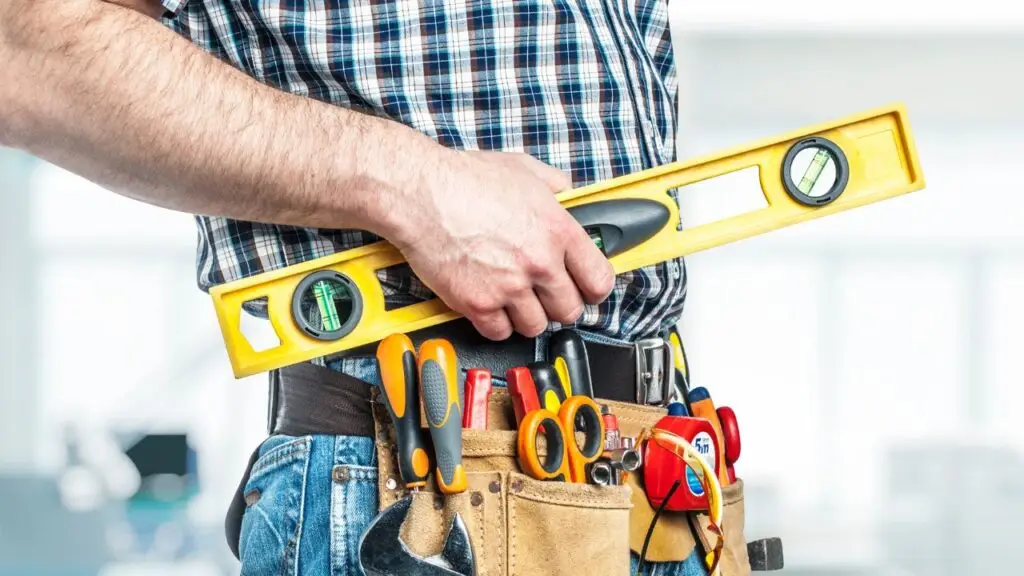
Few tools get used as often as the ones I’m about to show you. These are the ones that are useful for more than bathroom remodels. Consider getting the ones you don’t already have.
Tape Measure
A good tape measure is something you’ll reach for daily. Get one that’s 25 ft long since the longer ones tend to hold up better than the short options. I like Stanley’s tape measures, but Lufkin, Milwaukee, and Craftsman all make great options.
Level
A level is used when installing things like the vanity and mirror. If you’re doing your own tile work, you’ll want to make sure they are level. I’d recommend a 24 inch, but a smaller torpedo level works fine too. There are some situations where longer sizes are ideal, but these two are a great starting place. A laser level is a nice upgrade that makes these jobs easier. I use the Bosch Self Leveling Crossline Laser Level.
Utility Knife
A good utility knife is one of the most versatile tools you can own. Being able to swap blades quickly when they dull matters a lot. Look for one that also holds a small stash of fresh blades you can grab on the fly.
Work Light
There are so many options for a work light. You might not use them much, but they are especially helpful when working in a tight space like when installing a sink in a vanity. There are some great battery powered options on the market, but I prefer one that plugs into an outlet. This way I don’t need to worry about batteries failing before the job is finished.
Bathroom Demolition Tools
Demolition is fun, but it can be dangerous if you’re not prepared. Sometimes you need a soft demo to avoid damaging items you plan on keeping. Other times everything in the room goes, making way for a fresh start.
Hammer
For general demolition, a 16 oz claw style hammer is a solid choice, and a wood or fiberglass handle will save your wrist from soreness after heavy use. If your project includes a tile demo, consider stepping up to a 20 oz hammer. If walls or cabinets are coming down, this might call for a sledge hammer.c
Pry Bar
A pry bar gets used nearly as much as your hammer. It’s great for getting between two materials and prying them apart. I use an Eastwing 18 inch flat pry bar a lot. The other one I keep close by is the cat’s claw. Each has their own purposes, making the two a valuable pair to have.
Reciprocating Saw
The reciprocating saw is a power tool that will save you a ton of time during a demo. If you’re removing studs, it can slide between them and cut the nails with ease. It’s also great for cutting materials down into smaller, more manageable pieces.
Pro Tip:
Choose the right type of blade for the material you are working with. Blades are designed for cutting different materials, and come in various lengths. Choose a variety of wood and metal blades to have on site that you can change out when needed.
Shop Vacuum
A shop vac helps keep your work zone reasonably clean. This is a great tool to help tidy up after the day’s work is over. To be able to quickly sweep the debris into a pile, and then vacuum it up will lower the amount of airborne particulates that you are breathing in.
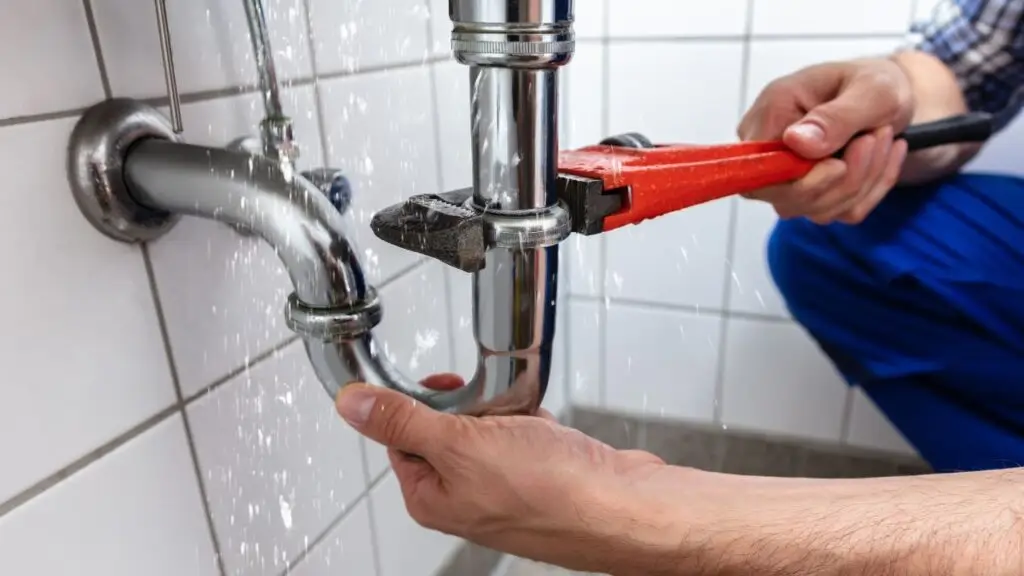
Tools for Bathroom Plumbing Work
Disclaimer:
Certain jobs should be done by a professional. Rerouting plumbing, major electrical work, or structural changes to the house are all items that need to be done correctly. They have the most danger associated with them if not completed according to industry standards.
Plumbing work can feel intimidating at first, but there are plenty of projects a beginner with the right tools and knowledge can handle. Just know where the line is.
Adjustable Wrench
An adjustable wrench is a highly versatile tool to own. It is a gret option for more than just plumbing projects, making it one of my most used tools in my toolbox. I prefer a Channellock 12 inch pliers, but the 16 inch model will work as well.
Pipe Wrench
A pipe wrench is used to tighten, or loosen threaded pipe. You won’t need it for every bathroom remodel, but when you do, it earns its keep. It’s often used alongside the adjustable wrench that’s mentioned above.
Basin Wrench
A basin wrench has a limited number of uses making it a low priority to purchase. The benefit is it gets into tight spaces to loosen or tighten the nuts holding the faucet to the sink. If you’re installing a new sink and faucet together, save yourself the hassle and attach the faucet to the sink before you install it. It’s much easier to work on before the sink is in place. That way you won’t need to purchase a basin wrench.
Which Tile Tools to Buy, and Which to Rent
A beginner with the right tools and a good eye for detail can absolutely tackle tile work themselves. Get your tools and materials ready ahead of time since parts of this job are time sensitive. Let’s start with what to buy, then cover what to rent.
Rule of Thumb:
If you’ll only use a tool once, rent or borrow it when possible. A local tool library, if your city has one, is another option to get tools to use a limited number of times for your renovation.
Tile Tools to Buy
There are certain tile tools that are hard to find at a rental store. For that reason it’s probably necessary to purchase the ones you need for the job if any of the other options are unavailable.
Notched Trowel
A notched trowel is used to spread thinset before applying the tile. It’s important to get the right size notch based on the size tile you are using because that ensures the mortar is spread correctly when the tile is applied to the surface.
Trowel Notch Sizes
- V notch for mosaic tile
- ¼ inch notch for 4 to 8 inch tile
- ½ inch notch for 12×12 inch tile
A grout float is used to apply grout to the cracks between the tile. This is done after the tile is set and fully dried. It gives you a clean line around the tile and helps prevent it from coming loose.
Tile Float Sizes
- A soft float for small, delicate tile
- A medium float for all around ceramic tile
- A hard rubber float for stone
Tile Spacers
Tile spacers keep a consistent gap between tiles so nothing shifts while it sets. Choose the spacer thickness based on the grout gap you want. These are plastic pieces that can be discarded when done.
Tile Tools to Rent
Tile Saw
The tile saw is likely found at a tool rental near you. You may need it for up to a week if it’s a larger job, and you are still learning this skill. Get some extra tile to use in case you make any mistakes.
Tools for Installing Fixtures & Finishing Work
Stud Finder
A good stud finder goes a long way. This is a tool I believe every homeowner should own. Get a good quality one, otherwise you will be replacing it sooner than you would like to. Zircon makes an affordable model that’s accurate and durable. Franklin Sensor makes a slightly pricier option with a few more bells and whistles. Both are good choices to consider.
Drill and Driver Set
It’s so helpful to have both a drill and driver on hand. I prefer the DeWalt 20 Volt Drill/Driver Combo Set. The drill is used to drill pilot holes in the material you are working with. The driver screws in the fastener. The benefit lies when you are working on a larger project that requires installing a lot of fasteners. Having two tools makes it so you don’t need to constantly change the bit at each stage of installing the fastener.
Drill Bit Set
A good drill bit set is one that has both pilot bits, and driver bits. When I am doing things like putting together ready-to-assemble cabinets, I use a Combination Countersink Drillbit. It performs two steps, saving time on the project.
Caulking Gun
For any project that calls for tubes of caulk like installing a sink, you’ll need a caulking gun. Look for one with a spout cutter and a seal breaker built in. Those are two things you need to do before using a tube of caulk. It’s handy to have the tools for them built into the caulking gun.
Printable Bathroom Remodel Tool Checklist
Download the free Bathroom Remodel Tool Checklist for a printable version of this list. It’ll help you check off what you already own or can borrow or rent, so you can focus your budget on what you actually need to buy.
Frequently Asked Questions
Do I need professional tools for a bathroom remodel?
No, you do not need professional tools for a bathroom remodel. Beginner level tools are more than enough to finish many bathroom remodel projects. With there being some tasks that require specialty tools, like setting tile, a good option is to rent the tools you will only use a limited number of times.
Can I remodel a bathroom without power tools?
It is possible to remodel a bathroom without power tools. The benefit is they get the job done faster and with less physical effort. They help save time in the long run, making the process easier, helping you enjoy the final result sooner.
What tools should I buy vs rent?
Start by buying the tools you’ll use on your most immediate projects. Also purchase tools that will be most frequently used with other projects you plan on doing in the future. Don’t spend a lot of money purchasing a large amount of tools all at once. Instead spread the purchases out, which will help with your remodel budget.
How much should I budget for tools?
Most beginners spend $200 to $500 on tools. This depends on what you already own, and what projects you’re planning on tackling. If you are just starting out, see if you can borrow tools from friends and family members before putting much money into your own set. This will let you know if you will be doing this kind of stuff long term, or if you just don’t like it enough.
What’s the biggest beginner tool mistake?
Buying everything at once instead of as you need it. It’s a mistake to spend that much money up front. This can feel overwhelming because you are not yet sure if DIY is right for you. Buy the tools as you go, along with the materials you will be using at that time. Rent or borrow when possible.
Conclusion
As you’re getting started, focus on the tools you actually need first. This list covers some of the most commonly used tools in a bathroom remodel. Many of them carry over into other projects down the road.
Buying decent quality tools up front can save you money in the long run. You will be replacing worn out tools less, which adds up over time. Plenty of brands offer high quality options without a high price tag, so it’s worth finding what’s right for you.
Thanks for reading this article at Remodel Upgrade. We are here to help you turn your home into your own private sanctuary. Check out How To Start A Home Remodel As A Beginner next. If you have any questions or comments, please drop them below. I look forward to hearing from you. Thanks for visiting.
You got this!