You are ready to start a new home remodel, but can’t decide if it’s best to hire a contractor, or to do it yourself. You can’t wait to show off your new home remodel, but would love to brag about doing the work. There is a way to decide if you are in a good position to get this job done, or if you should bring in help. Keep reading to find out if DIY is the right choice for you, or if hiring a contractor is the best way to go.
There is a tested process to hiring a contractor that is going to help get your project to the finish line quickly and with a good result. If you are interested in learning more about this check out How to Hire The Ideal Contractor. Keep reading if you are still wondering if DIY is the right avenue for you.
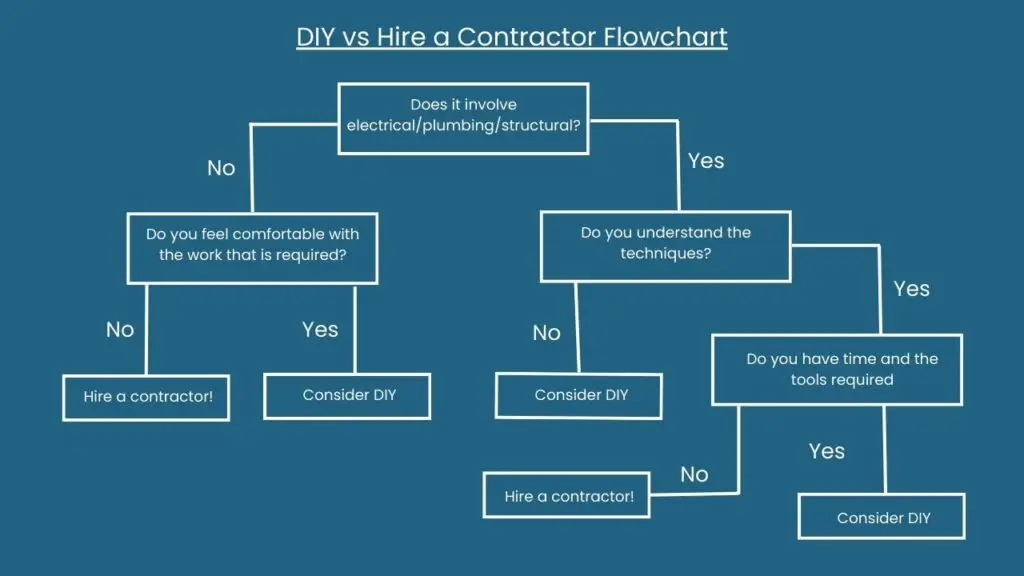
Table of Contents
ToggleYour Home Remodel Project’s Scope
Every remodel is unique in its own way. A project’s scope of work is the details of what will take place in the remodel. For example, a kitchen remodel involves updating the cabinets, possibly changing the floors, and installing the appliances. Compare that to updating your living room where all the work will be done on walls, floor, and lighting.
Once you know exactly what you want to have done, you can think about what tasks must be performed to get the best result. The details that go into it may be things you don’t know much about, but are willing to learn. Below are a few questions to ask yourself to help determine if this type of work is right for you to take on.
Questions to Ask Yourself
Do I understand the techniques required for this project?
You don’t need to have done this work before, but do need to have the knowledge and confidence in doing it. Some remodeling work is more complex than other work.
If I get stuck, do I have someone to call for help?
It’s important to have a “plan b” if things go wrong. It’s good to know there is a solution if you get in over your head.
Does this project involve electrical, plumbing, gas, or structural changes?
These items are better left to a professional because they require specialized knowledge. They also are capable of causing serious injury, or severe damage to the home.
Will I need permits or inspections?
The most common areas that permits are required are when major electrical, plumbing, or structural changes are done. If this is the case it’s good to look into whether your location will require a permit.
Do I already own the tools needed? Can I rent or buy the ones I need?
There are many projects that only require a basic group of tools. Other projects require specialty tools, like installing tile. Find out if your project requires tools you don’t have. If so, are you willing to purchase them? Can you rent them instead?
Do I have enough time each week to work on it without rushing?
This type of work takes time. If you are juggling family life, a career, and this remodeling work it will take up a substantial amount of time. You won’t have much free time anymore. You also can expect this to extend the overall project timeline significantly.
Am I comfortable with imperfections if they occur?
Projects like setting tile require a strong attention to detail. If not, there is a good chance they won’t look consistent when done. This can be annoying every time you look at it, as you notice it whenever you see the problemed area.
Do I enjoy hands-on work, or will this project create unnecessary stress?
I like to consider these types of projects as putting a puzzle together where I am making the pieces of the puzzle. If your mind doesn’t work like this, maybe DIY isn’t a good option for you.
These questions are important to ask before starting a project like this. It’s okay if you don’t have all the answers yet. You can learn as you go, and gain new skills along the way. This also means you will be taking more time than someone who has the experience to complete tasks needed to be done.
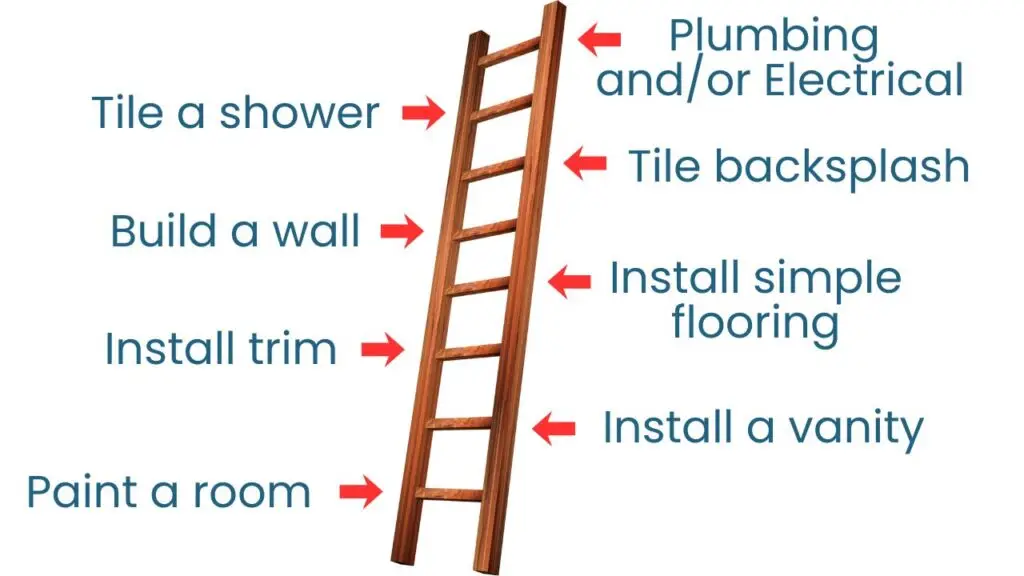
If you are new to DIY, it’s recommended you start small and work up from there. Start with looking at your skillset, and the tools you already own. You’re going to grow both of these as the remodel moves forward. Start by doing work you already feel confident with. Begin to add a little more complexity to it as you gain new skills.
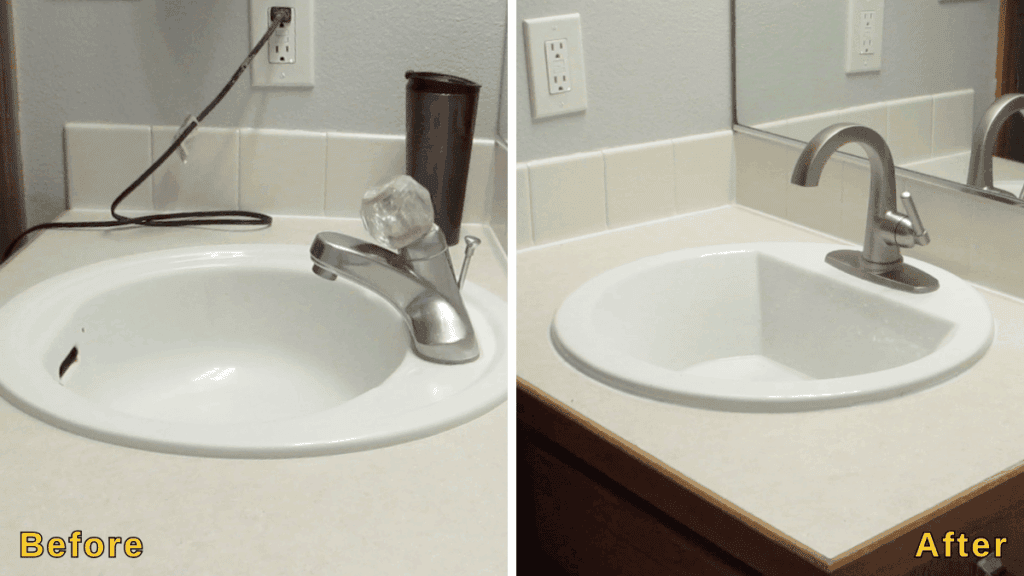
Begin with thinking of what additions you want to make on the home in the long run. Are there any of them that can be broken up into smaller chunks? An example of this can be found in a bathroom remodel. If you want to do a complete bathroom overhaul, can you just start with installing a new vanity, countertop, and sink?
Once the vanity is done maybe you can move on to painting the walls, and upgrading the lighting. Breaking it up into manageable chunks will give you small wins that work up to a larger goal of a bathroom remodel. You can have an idea of how quickly you work, and what you can accomplish in your free time.
There are certain projects that require a professional. If you want a granite or quartz countertop for your vanity, you will need a professional to install one. If you don’t know much about electrical, don’t start taking apart the wiring. Some aspects of electrical and plumbing should only be done by professionals.
DIY Skills Growth Ladder
These questions are important to ask before starting a project like this. It’s okay if you don’t have all the answers yet. You can learn as you go, and gain new skills along the way. This means you will be taking more time to complete tasks than someone who already knows the answers to these questions. You may not have the same level of attention to detail as them yet, which can be okay if you are willing to accept less than professional results.
If you are new to DIY, it’s recommended you start small and work up from there. Start with looking at your skillset, and the tools you already own. You’re going to grow both of these. This can be done by doing work you already know how to do, but add a little more complexity to it. Get only the required tools for the job.
Begin with thinking of what additions you want to make on the home in the long run. Are there any of them that can be broken up into smaller chunks? An example of this can be found in a bathroom remodel. If you want to do a complete bathroom overhaul, can you just start with installing a new vanity? This will include a countertop and sink as well.
Once the vanity is done maybe you can move on to painting the walls, and upgrading the lighting. Breaking it up into manageable chunks will give you small wins that work up to a larger goal of a full bathroom remodel. This will give you an idea of how quickly you work, and what you can accomplish in your free time.
There are certain projects that require a professional. If you want a granite or quartz countertop for your vanity, you will need a professional to install one. If you don’t know much about electrical, don’t start taking apart the wiring. Some aspects of electrical and plumbing should only be done by professionals. Both of these areas have some portions that require permits to make sure it’s done safely.
Cost Savings of DIY vs. Potential Hidden Costs
Are you taking this on because you want to save money? It’s okay if the answer is yes. You also need to be willing to work hard, and push through frustrating moments. There will be times in every remodel that aren’t fun. To get through these moments you must be willing to stay focused on the right tasks, and not give up early.
When Hiring a Professional Saves Money:
- When mistakes are expensive to fix
- When specialized tools are expensive to buy or rent
- When precision matters for resale
- When speed is crucial
- When safety risks are high
- When the job requires multiple trades
- When material waste is expensive
There are a few areas of DIY that may be more expensive than it’s worth. A normal factor of being a beginner to this type of work is knowing mistakes will be made along the way. There are certain parts of the project that are expensive when they need to be redone, or replaced.
When DIY Becomes Expensive:
- Waterproofing (bathrooms, basements, laundry rooms)
- Tile Work (Showers, Floors, Backsplashes)
- Some Electrical Work
- Some Plumbing (especially relocating lines)
- Drywall
- Flooring (especially hardwood or tile)
- Structural Work (removing walls, opening spaces)
- Windows & Exterior Doors
- Roofing Work
Tools and Equipment
There is a group of Essential Tools Every DIY Homeowner Needs to use in the majority of the home remodel projects. There are also some jobs that require specialty tools and equipment that are not used enough to justify a homeowner buying it. A tile saw is used once or twice in a home remodel, and then it sits around taking up space in the garage.
A good way to work around this is to find a tool rental to get it for your project. This works out best if you are able to finish up with it within a couple of days to a week max. These rentals charge by the hour, or day depending on their pricing. If it’s something you know you will use a lot you may want to consider purchasing it instead because that may be close to how much you spend to rent.
If you don’t want to store the tool long term, consider selling it on a site like Facebook Marketplace, or Craigslist. It’s also worth checking if your city has a tool library for this. It might be nice to donate your tool to it when you are done, and check it out from the library during the next remodel when you need it again.
Project Timeline
The timeline is something worth establishing in the beginning. It won’t always be met exactly, but it’s a good way of staying on track. I find if I can see what order to do things in, it helps keep me moving in the right direction. It’s okay if the timeline needs to be adjusted because you don’t know exactly how quickly you work yet.
When deciding to do most or all the work yourself, one thing to remember is the home remodel will take longer than hiring a pro. You should give yourself more time because you won’t be working on it full time. You have a job, family, and down time to factor in.
Example DIY Timeline
- Demolition: 1-7 days
- Structural Work: 1-3 weeks
- Rough-in (plumbing, electrical): 1-3 weeks
- Insulation/Drywall: 1-2 weeks
- Flooring/Trim: 1-3 weeks
- Cabinets/Fixtures: 1-2 weeks
- Finishing Touches: 2-7 days
Small project: 3–6 weeks
Medium remodel: 2–3 months
Large/full-room remodel: 3–6+ months
There is a bit of overlap in the above timeline because some of the projects will be worked on simultaneously. Other items may not be required for your job at all. Use this information to get an idea of the order the work is done in, and how long it generally takes.
Hybrid Approach
For someone who is new to home remodels, it’s not a bad idea to get a contractor involved. Having a professional on site is an opportunity for you to gain knowledge from someone who does this type of work on a regular basis.
That’s why I created the Hiring The Ideal Contractor Checklist. It’s a free checklist designed to walk you through the steps of finding, interviewing, and hiring the ideal contractor. You don’t want to hire someone who might be dishonest or difficult to work with.
Once you pick the right contractor, you want to be up front with them about your involvement. Tell them what areas you are most comfortable in. The main issue a contractor will have with this idea is they know you will take more time than they would. If they are on a tight timeline, they will need you to meet deadlines on time. They have other jobs and won’t want to jeopardize them.
Conclusion
Deciding if DIY versus hiring a contractor is right for your home remodel is an important thing to think about. It’s a great idea to do a home remodel yourself, if you are comfortable with it. There are many aspects that must first be thought about to make sure it is the right call for you.
I suggest starting small if you haven’t done much work like this yet. Get used to working with these tools, and building confidence along the way. This is a great opportunity for you to learn new skills, and enjoy yourself during this process..
Thank you for reading this article at Remodel Upgrade. Here I am dedicated to helping you turn your home into your own private sanctuary!
You got this!